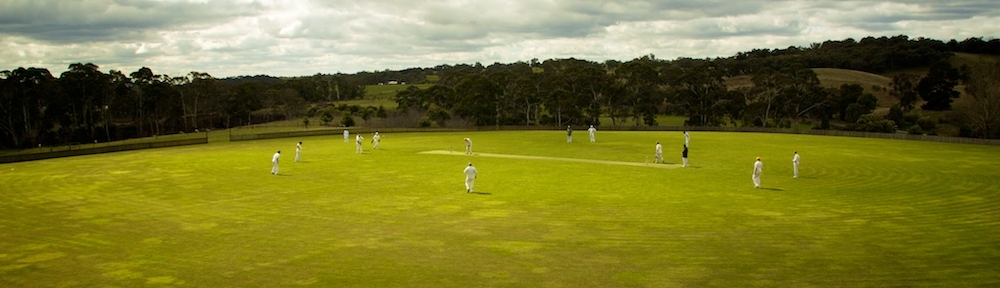
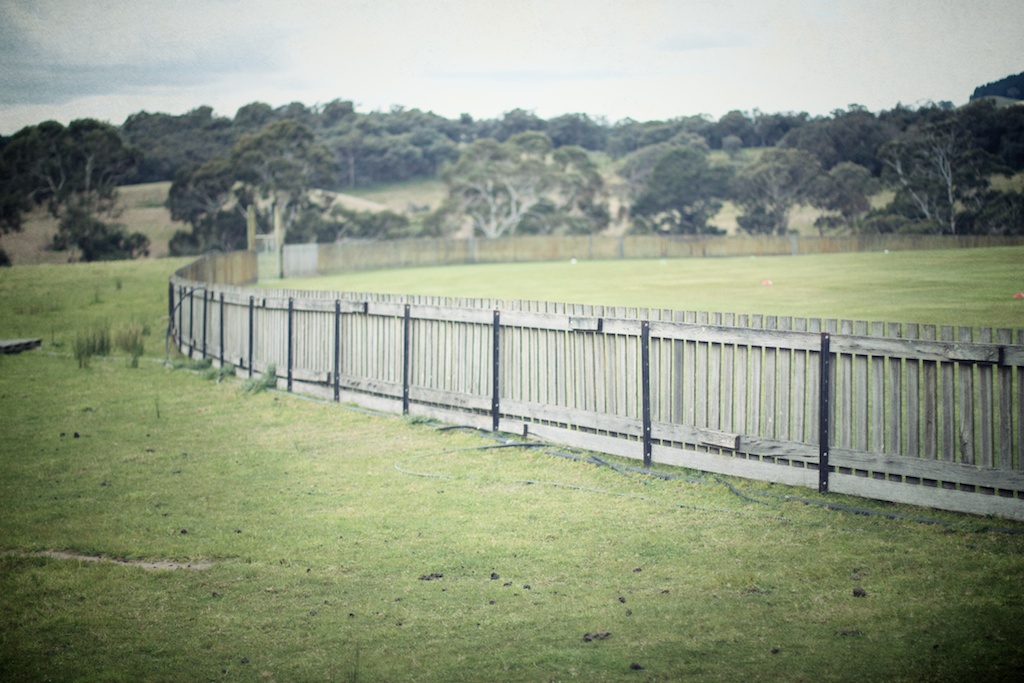
Ben Liney images capture the sights, seasonal rhythm & beautiful surrounds of Cricket Willow, Shepherds Flat during Marcus Curnow’s Twenty20=40 Big Birthday Bash, September 10-11, 2011Continue reading “Cricket Willow by Ben Liney”
Bat Making with Lachlan Fisher

Photos by Ben Liney www.benliney.com (all rights reserved)
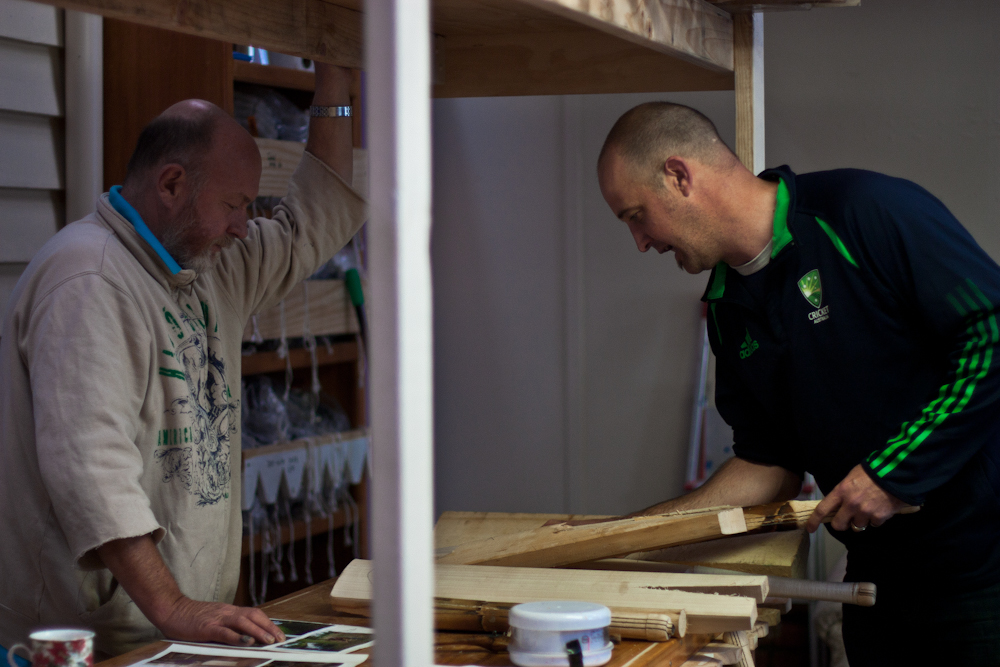
For my last birthday, family and friends chipped in for an experience of learning how to make my own cricket bat with Lachlan Fisher at his Williamstown Road workshop in Footscray.
Not only is Lachlan a master bat maker but he stands in a unique tradition as a grower of Australian willow.
The best quality cricket bats have traditionally been made only of top grade willow grown in England’s ideal climate and conditions. For a period from the early 1900’s however, RM Crockett & Sons grew willow on Shepherds Flat in Daylesford, Victoria from which they made bats at a factory in Charles Street, Seddon; just around the corner from where Fisher is now based.
These Australian bats were used by players of the stature of Linsday Hassett, Peter Burge and Norm O’Neil, who promoted the ubiquitous ‘Dynamaster’ of the late 1950’s-60’s.
In 2003-4, Gideon Haigh wrote of the rise and eventual fall of the Daylesford plantation and of the family business through corporate takeover which saw an end to cricket bat production from Australian willow. He concluded…
“…But thirty years after Crockett’s felling, shoots are emerging from the undergrowth. When independent bat manafacturer Lachlan Fisher set out his stall in 1989 after working for Maddocks Sports, his interest in the Crockett story was kindled by meeting Harry Preston, a veteran of the old firm and a staunch advocate of the merits of Australian willow. Like all Australian batmakers, Fisher is reliant on imported raw materials; Preston inspired him to open a nursery in Dayelsford selling willow cuttings to farmers, with the intent of buying back the trees when they matured. ‘In the South of Victoria, the dormancy period and growing season of the trees are very similar to those in England’ he says. ‘And the weight, the performance, the grain of the bats are little different.’
Preston never saw his dream come true. He died in January 2003 of emphysema from a lifetime of inhaling cane dust while turning bat handles. But Fisher will soon begin harvesting willow from a host of small plots around Victoria, mostly in Gippsland: Each tree yields about twenty five clefts. It may not be too long before traditional Australian steel is again reinforced by non traditional Australian wood.” (ABC Cricket Book 2003-4)
Even since this was written, much has changed in our world and in cricket.
As we worked on the bat it was fascinating to be able to talk about what had happened to particular plantations since that time, given the variable climate and its effect upon the quality of the wood. Beyond weather, the climate has of course been variable in many other ways; with the unprecedented high value of the Australian dollar; the rise and rise of the Indian economy (and cricket); and the shrinking of local demand, providing many challenges for the production of a truly Australian cricket bat.
Learning about such things made the experience of spending time with Lachlan all the more precious. One becomes aware that there is a lot more behind any given ‘stick’ that one picks up when going out to bat.
Learning how to work the old tools (like the draw knife and spoke shaves) in order to make something ‘new’ works as a good description of what ‘Good Cricket All-round’s’ work of ‘re-creating the commons’ is all about.
Thanks to Rachael, Chris and Katherine for enabling some ‘beautiful connections’ through cricket and to Ben Liney for the beautiful pictures.
-Marcus
Credo vs. Mullagh @ Harrow
Cricket the Body and the (Heavenly) Earth
an excerpt and further development of my chapter published in ‘Sport and Spirituality: An Exercise in Everyday Theology’ Edited by Gordon Preece and Rob Hess.
Cricket was once more serious than life and death for this Baptist Pastor. I gave it up for a time as a penance; an acknowledgment that I had become shaped more by the ‘mental disintegration’ of Steve Waugh’s world beating, ‘Ugly Australians’ than the values of The Sermon on the Mount and the twelve Jesus selected there.
Perhaps more significantly, my activist faith had few frameworks for valuing what Mike Marqusee affectionately describes as
“the sublime waste of an entire day on something with no redeeming purpose whatsoever.”
A deeper understanding was gifted to me through Gordon Preece’s ‘Sport and Spirituality’ in which he called for the development of a Protestant ‘play ethic’ to counter our cultures’ increasingly industrialised understandings of sport and recreation. His foundation was Sabbatarian Olympian Eric Liddell, from the movie ‘Chariots of Fire’ who counters his sisters’ dichotomy of ‘sport –versus- work/mission’ with the gentle statement, “When I run I feel God’s pleasure.”
I reminded me of another Baptist Pastor, I once met who, concerned that his life and social circles had become to ‘churchy’, took up, but then gave up local cricket because he felt the game dealt him and others with too many jobs. like scoring, umpiring and catering to enable him to properly evangelise his teammates. I lamented his lament!
Though I’m keen to see sport ‘used’ to build relationships and share the faith, in my view that only works if the game is seen not as a means to more spiritual ends, but as something intrinsically spiritual in itself. A way of feeling God‘s pleasure. A bodily anticipation of the resurrection to come where God’s pleasure will be pervasive, and we will join in the great victory lap of Christ.
As I grow older I must confess that my experience of cricket as re-creation is less like pleasure and more like “When I run I feel the ‘groaning birth pangs’ described in the eighth chapter of the Apostle Paul’s letter to the Romans. Thankfully the more competent you become at village level cricket the less need there is to run. Thankfully I was able to reconcile myself to the game with one simple stroke. A straight drive, hit for six, high, long and hard back over the bowlers head.
In his book in “Fatty Batter: How Cricket Saved My Life (then ruined it)” Michael Simpkins explains how his obsession with the straight drive impacts him.
This is how bad it is… By some fantastic coincidence of the natural world it is possible for anyone with a full set of teeth and a working upper palate to make the sound of a cricket ball hitting a bat…and because its so evocative I make it all the time…
… in those few blissful moments after my wife and I have made love, and we’re enjoying the sense of mutual triumph against middle aged odds. Even as Julia is reaching for my hand across the sheets and framing the words to express her crowded emotions… ill drift off into some reverie… I’ll imagine the bowler trundling in, the sweep of his arm arching over, the hard red ball hurtling towards me, and then my shot…
Whichever it is, as Julia’s fingers are touching mine across the creased bed linen, my tounge will automatically slide to the vertical, finding the warm wet roof of the mouth, tightening like the trigger of a gun; and before I can stop myself…
And her fingers will freeze. Or the checkout girl will stop feeding the washing up liquid past the scanner, or the boss will turn his head… convinced I’m tutting in derision.
And I have to try to explain that it wasn’t a criticism that just issued forth from my lips, it was the exact vocal replica of a handsome lofted drive into that canopy of trees in the distance. But of course they don’t believe me. So I’m condemned, like some sporting Tourette’s sufferer, to make these curious clucking sounds throughout the day with the constant gnawing knowledge that sooner or later I’m going to startle or upset those around me.
The connections inherent in such a description of incarnated transcendence, immediately identifiable for any cricketer, had previously beaten my bat.
In his seminal essay ‘Body and the Earth’ Wendell Berry critiques the disconnections in our Western conception of health.
Only by restoring the broken connections can we be healed. Connection is health. And what our society does its best to disguise from us is how ordinary, how commonly attainable, health is. We lose our health and create profitable diseases and dependences – by failing to see the direct connections between living and eating, eating and working, working and loving.
“…Loving and hitting a straight drive” I would add, (with apologies to Simpkins.)
Firstly there is the exquisite physical sensation when hand, eye and muscle connect with purpose. Gideon Haigh describes this athletic, flow state consciousness as a “beautiful and simple moment of aching loneliness, where there is you, the ball and your opponent and nothing else matters. It concentrates the mind wonderfully… Like a man facing the scaffold.”
This ‘loneliness’ of embodied focus however involves positioning my efforts in relationship to the movement and purpose of others, like the perichoretic dance of the Trinity that is God-self. In that moment I am connected to other human bodies on an expansive, level playing field where in that moment race and class distinctions are eclipsed.
Thirdly the stroke is made in the context of a game. This connection is less about the precise score as it is about the meaning the stroke has in the complex equation of runs, wickets and time unique to cricket. The question of who is winning or losing at any given moment in a cricket match is often unanswerable which according to Queensland theologian Janice McRandal can act as a counter to idealised and abstracted visions of heaven, or being driven by some kind of overarching controlling purpose (like my evangelical Pastor friend) that takes us away from our present embodied existence. She surmises that,
“Conversely to watch Test match cricket is to enter into a futureless moment. Often in this form of cricket, there is no team winning and often no team does. There is no sense of progress. There is no particular future in which the meaning of a particular innings, or over, or ball can be immediately discerned.
For those who love and love to watch this sport, the embodied practices of the fan subvert the very idea that one knows or can know what is worth waiting for. Rather it is the waiting that is ones hope. It is in the meaningless waiting of watching Test Cricket, this nonsensical form of patience, that could help reframe eschatology.
To watch Test Match cricket is to enter into a space where one abandons teleology. To think eschatology by these terms is to give attention to playfulness, to be liberated into a kind of patient play signifying a total engagement with presence and the complexities of existential suffering and joy. It is to accept the sanctity of the moment. To think hope in the incomplete and imperfect. To find meaning and more significantly hope in the very futureless now. “
Interestingly the alchemy of such connections are increasingly altered and eroded as modern cricket, and the needs of capitalism, seek to commodify and control the time and spaces in which the game is played, thereby changing the meaning of the pursuit.
Fourthly there is the connection with what Marquesse describes in ‘Anyone but England: Cricket, Race and Class’ as the autochthony of cricket (from the Greek ‘of the land itself’.) In order to make the stroke I must swing timber, hewn from a willow tree, taking in to consideration the deteriorating condition of a hand crafted cork and leather ball and how it interacts with the climate affected turf upon which it has been bounced. Whilst most modern sports seek to standardise themselves as weatherproof, entertainment products, successful cricket continues to involve complex meteorological and geological calculations in diverse local conditions.
In this ‘autochthony’ there is a connection with the history and economy of the game. The words wicket and bail derive from ‘farm gate’ terminology, (an image used by Jesus himself in John 10). The ‘stumps’ are a reminder the wicket was once just that, a tree stump used in the ‘folk’ games of shepherds on the commons. The twenty two yards of pitch on which I stand is the length of Gunters surveyors chain, the measuring device by which those same commons were ‘enclosed’ during the industrial revolution. The sacred ‘home’ from which modern cricket emerges is created by such an enclosure by Thomas Lord, with the only gateway entry point is through the pub, for the purpose of gambling, selling tickets and beer.
Finally, as the ball sails over the boundary, I sense that I am connected to my coaches and cricket mentors, living and dead, who have taught me to understand and value the wisdom, protocols and nuances of these many relationships. Our passions.
I often get people worried my that responsibilities as a working pastoral leader are being compromised by the apparent triviality, distractions and demands of local cricket but there is no dichotomy, both flow for me like Simpkins’ seemingly involuntary ‘curious clucking’. It reminds me of Eric Liddell being reprimanded by his sister for neglecting his responsibilities before God as he devotes his focus toward competitive running. Liddell responds, “I believe God made me for a purpose. But he also made me fast…“
This vocational clarity was expressed by Liddell as he died of physical exhaustion, having run games and taught young people whilst interned in a Japanese camp near the end of the Second World War. His last words were “It’s complete surrender”, in reference to how he had given his life to God with the same sort of God-pleasured freedom he experienced when he chose to run; or chose controversially not to run his Olympic race on the Sabbath,;or when he gave his life in service of others. A work shaped by a vocational ethic of patient play.
In the Bible’s final vision, St. John of Patmos wrote in his Apocalypse of a communion of saints, their bodies clad in white, throwing themselves on the ground in reverence for a higher purpose. So cricket becomes my eschatological vision, not of bowling pies in the sky when I die but of heaven come to earth in the here and now. A performance of bodies standing in time and space, at once free but connected in purpose and pleasure. A celebration of interconnection, where life and death are transformed and the ‘game’ becomes a ‘ceremony’ of worship, transcending linear time.
- Marcus Curnow, September 2023
The 2019 GABBA Test Road Trip Episode : Dragon Cricket Podcast
It’s almost a whole year since bushfires and COVID changed our world. So on the eve of an AFL Grand Final at the GABBA (of all places!) we take you back before it all went awry and release some of the highlights of last years Odyssey to the Brisbane Australia vs. Pakistan Test match (Gabba-toir mauling!) We meet Aman in the taxi, then transfer to our old childhood cricketing mate from Melbourne , and now Brisbane based coffee entrepreneur and host, Marty. We hear a long BLACKSTAR CAFE debrief of Day One exploring the connections between friendship, coffee and cricket. We then jump to extended interviews at the ground with the Day 3 GABATROOPERS and trumpeters, highlighting the differences between Queenslanders and us Melbourne ‘Mexicans’,even before the pandemic began. Interspersed throughout with a selection crisis at home for the Barkly Street CC caused by our absence! Click here for The 2019 Gabba Test Road Trip Episode.
OB Ellemor at Twenty20=40 Big Bash
Slideshow highlights of OB Ellemor at Marcus Curnow’s Twenty20=40 Big Birthday Bash. Cricket Willow, Shepherds Flat, Victoria, September 11, 2011.
Photos: Ben Liney, Rohit Khanna

Name: OB Ellemor
Nickname: O, The Big O, Obiwan
Song: Underdog by Sly and the Family Stone
Sunday Game 1:
Batting: 19 (3×4’s)
Bowling: 3 overs 0/10
Sunday Game 2:
Batting: Run Out 19 (1×4)
Bowling: …beautifully shaped out swingers with the damp ball!
Swerve with Merv! Dragon Cricket Podcast Episode 2
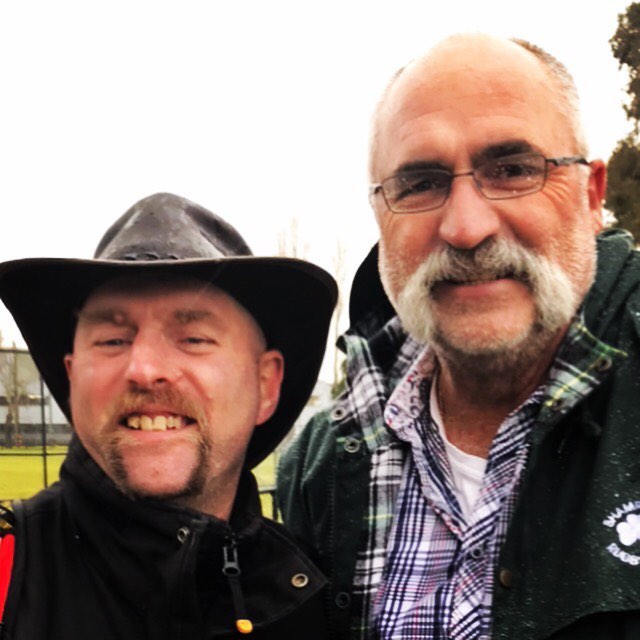
The Dragon Cricket Podcast is back for its second episode, seeking to rediscover the true spirit of Australian cricket one match and podcast at a time. This week we hear from Australian and western suburbs legend Merv Hughes, find out who the first player in our line-up of male identity legends. We get an update on all things Barkly Street from Dragon’s president Adda and get some advice from Brian ‘Trotter’ Baxter, a 71 yo opening bowler from Cornwall! LISTEN HERE
The Dragon Cricket Podcast : A Park Cricket Odyssey

The Park Cricket Odyssey begins as the Barkly Street Cricket Club search to find the true Spirit of Cricket Australian Cricket that was so scandalously sandpapered away…
Meet the Dragon Podcasters ‘The Real Rev’ and ‘Captain Grizzly’ as they introduce the Barkly Street Uniting Dragons Cricket Club and the coming Park Cricket Odyssey that is season 2018/19. In this episode, we meet Dragon legends the Lallys, 750 game veteran Jeff Law and brand new Club Captain Tharanga ‘Not that ABBA Song’ Fernando as we attempt to recover the lost soul of Australian Cricket, one game and episode at a time.
Barkly Street Cricket Club’s pre-season begins with the naming of The Dragon Warrior; a new club captain who reminds us of an ABBA song!
Compton Cricket Club Video
On Eric Liddell
Quotes about Eric Liddell whilst imprisoned at invading Japanese internment camp where he died aged 43 in 1941.
“Often in an evening I would see him bent over a chessboard or a model boat, or directing some sort of square dance – absorbed, weary and interested, pouring all of himself into this effort to capture the imagination of these penned-up youths. He was overflowing with good humour and love for life, and with enthusiasm and charm. It is rare indeed that a person has the good fortune to meet a saint, but he came as close to it as anyone I have ever known.”
His last words were “It’s complete surrender”, in reference to how he had given his life to his God
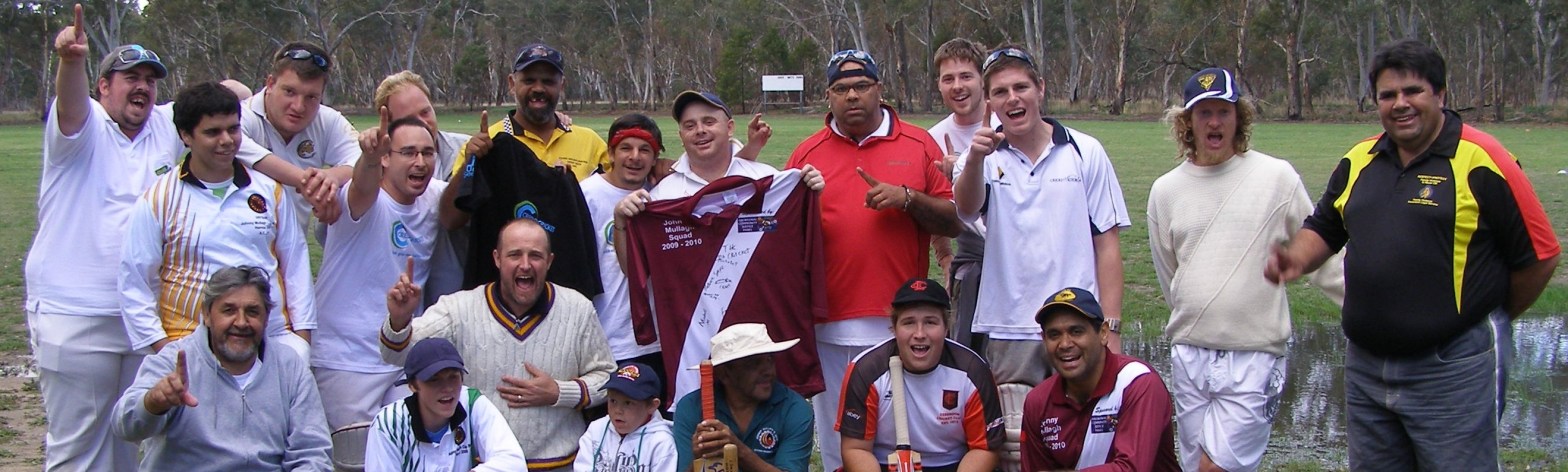
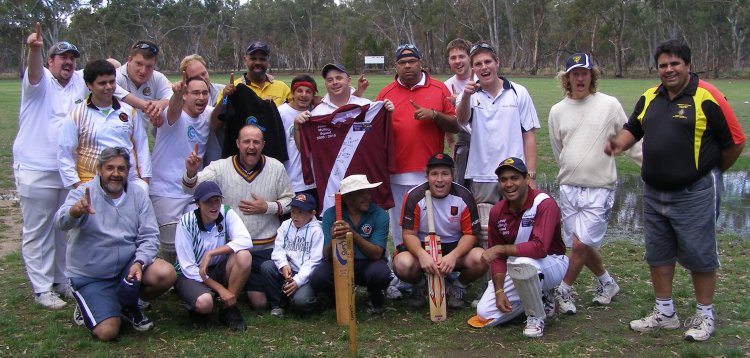
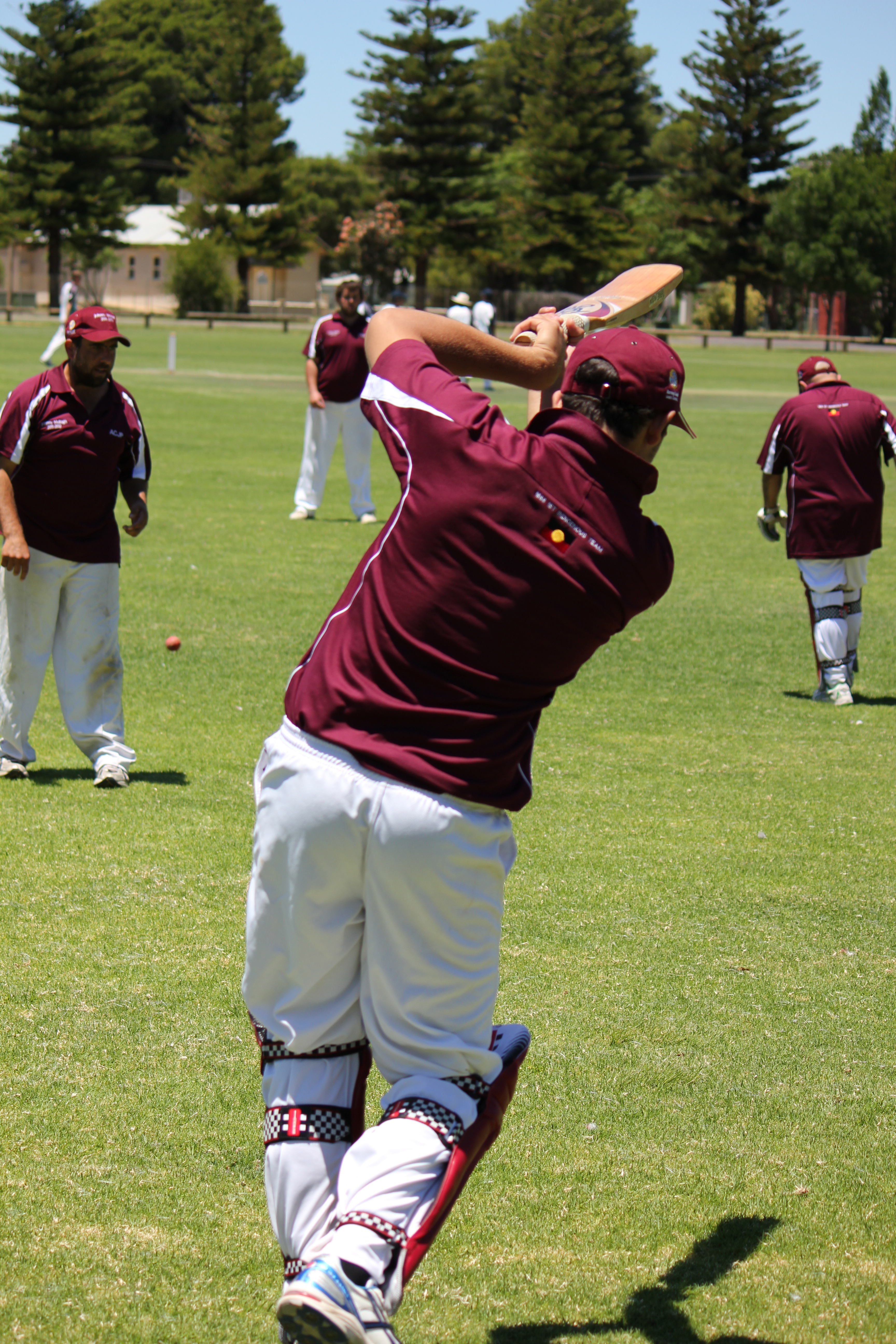
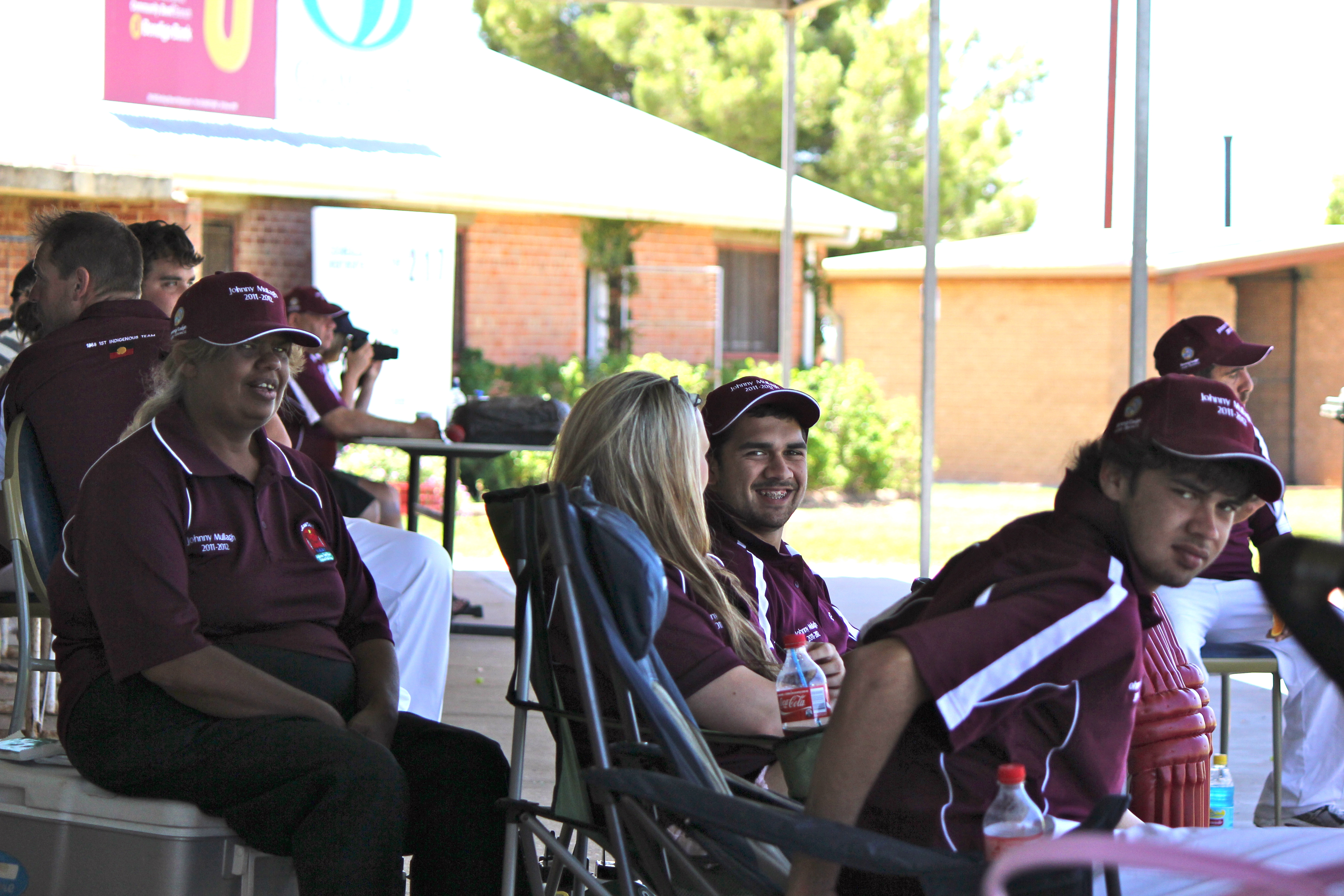
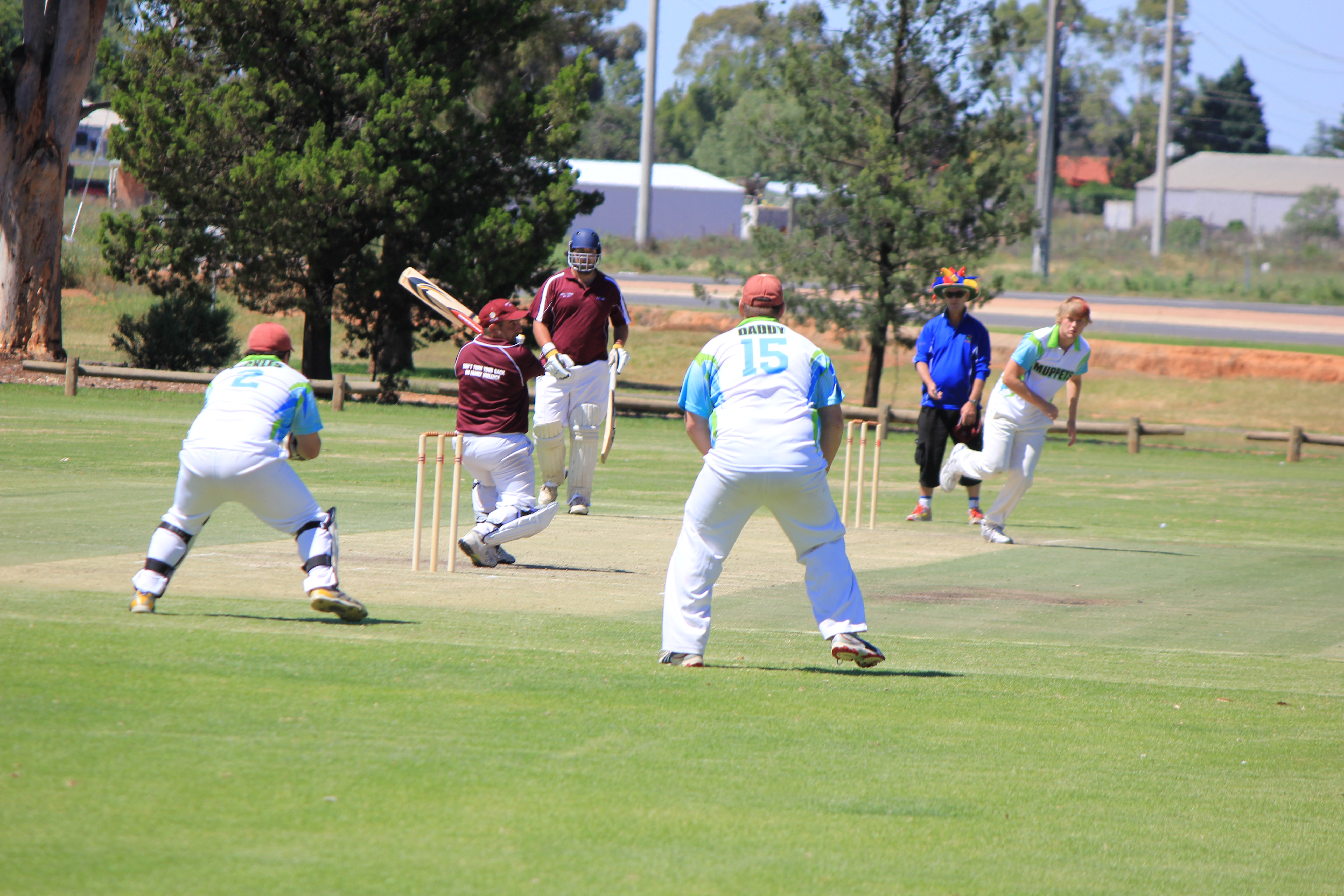
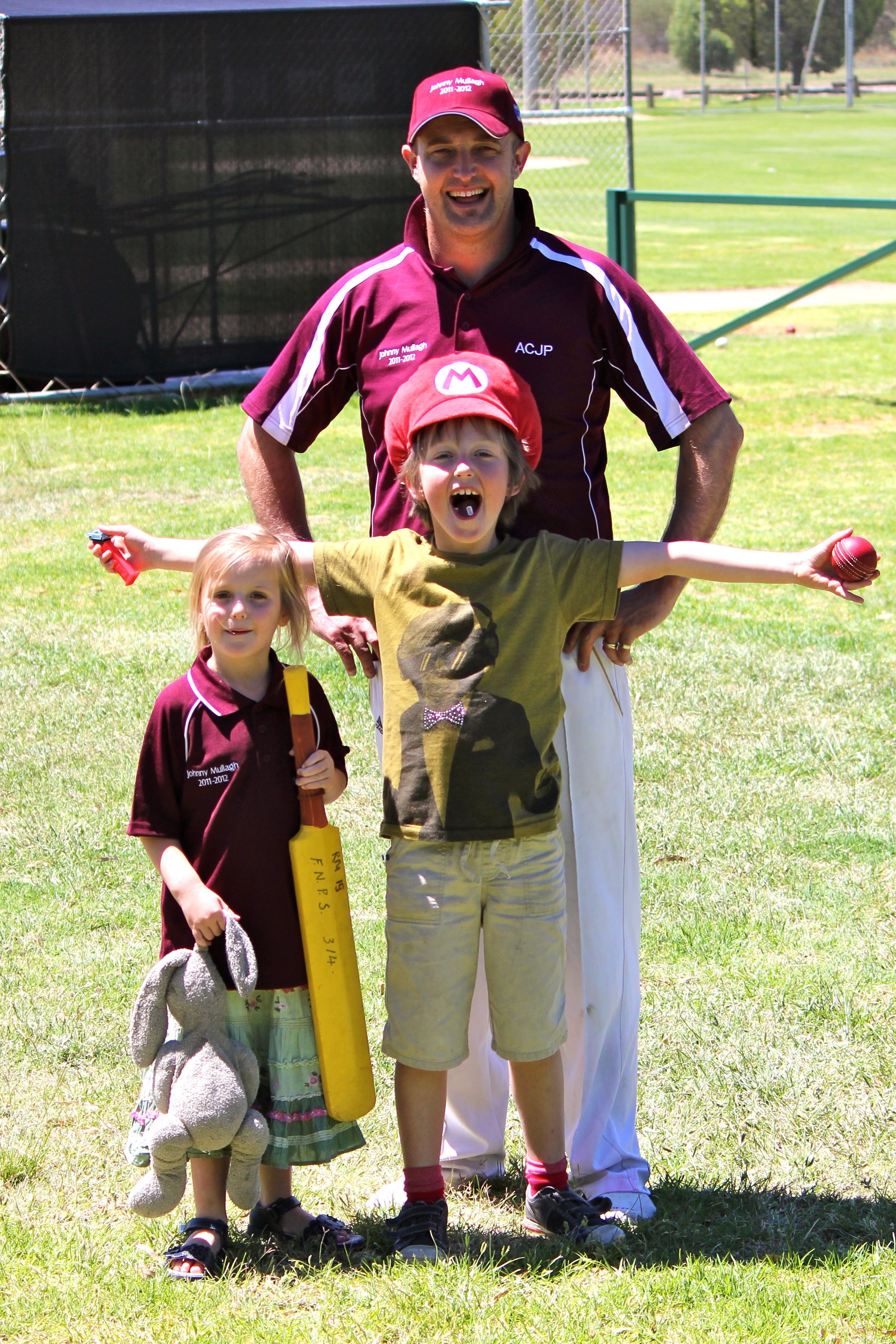
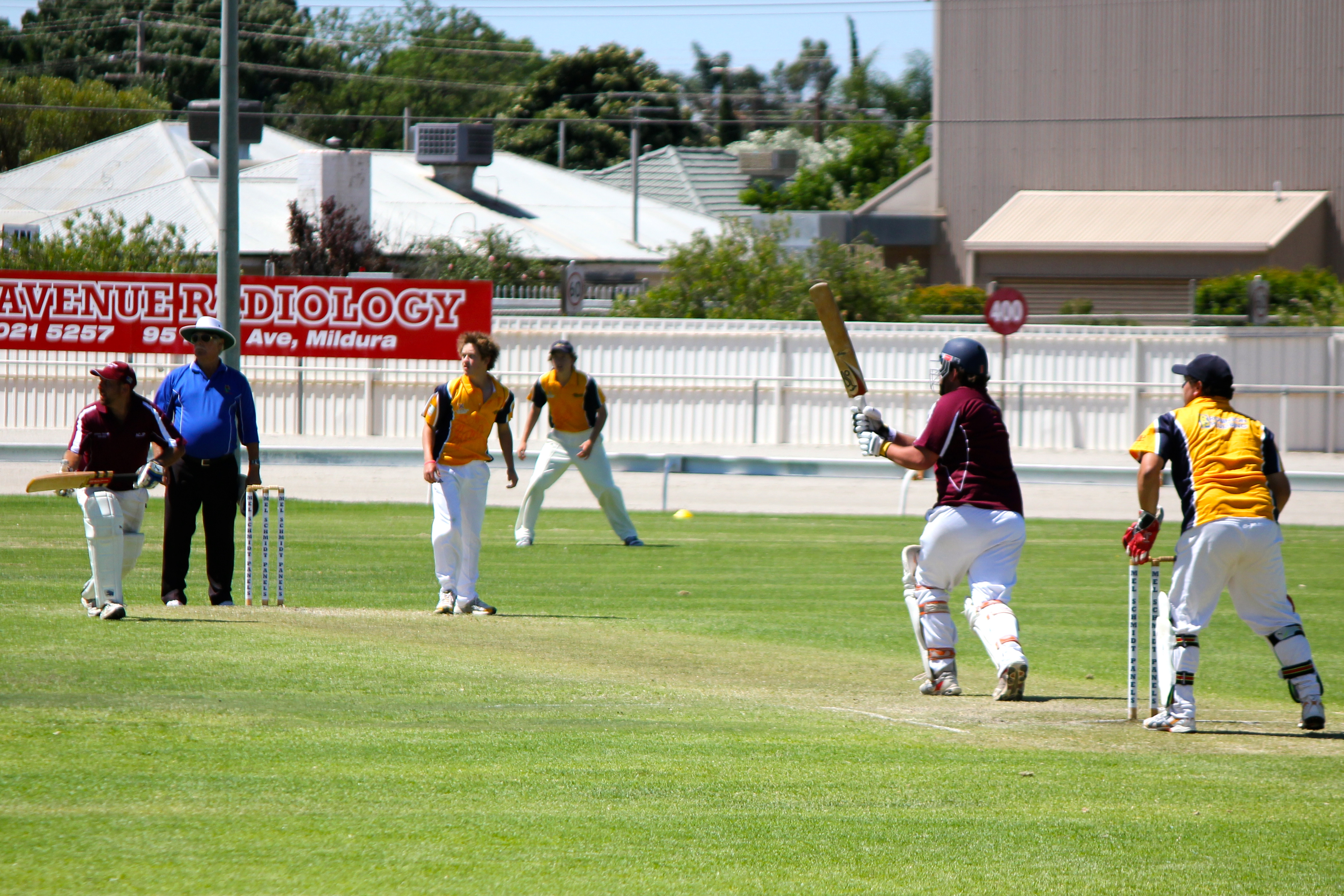
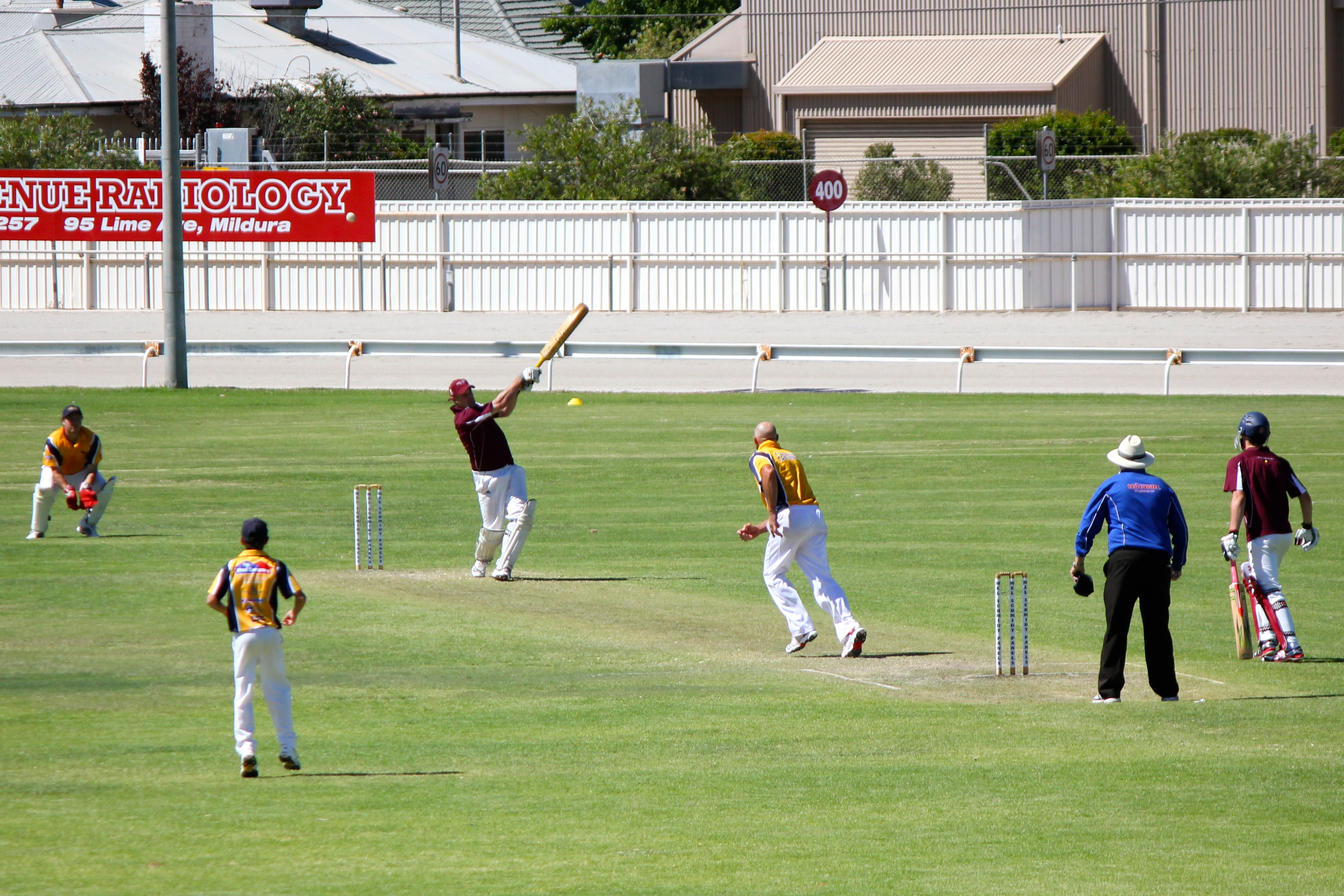
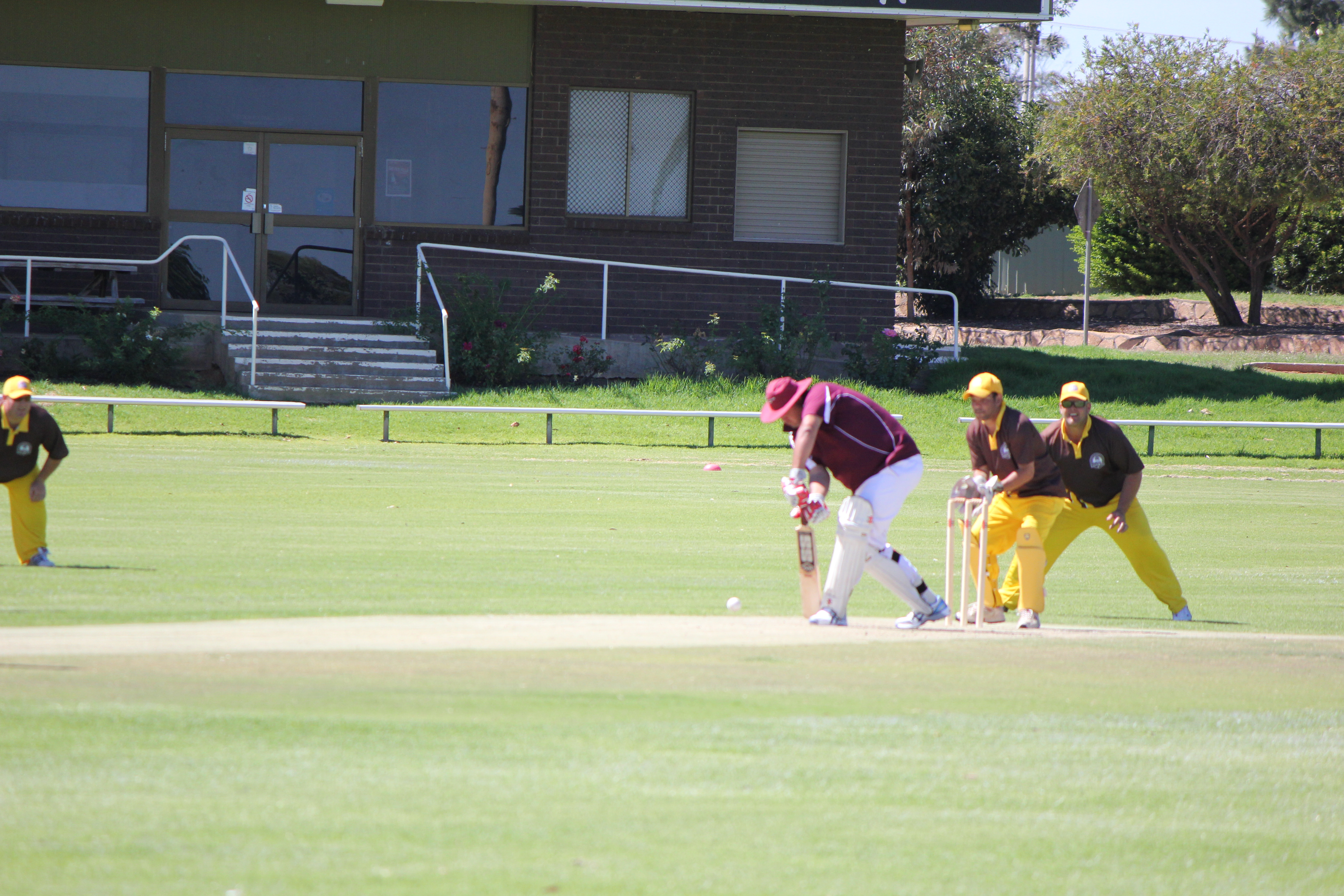
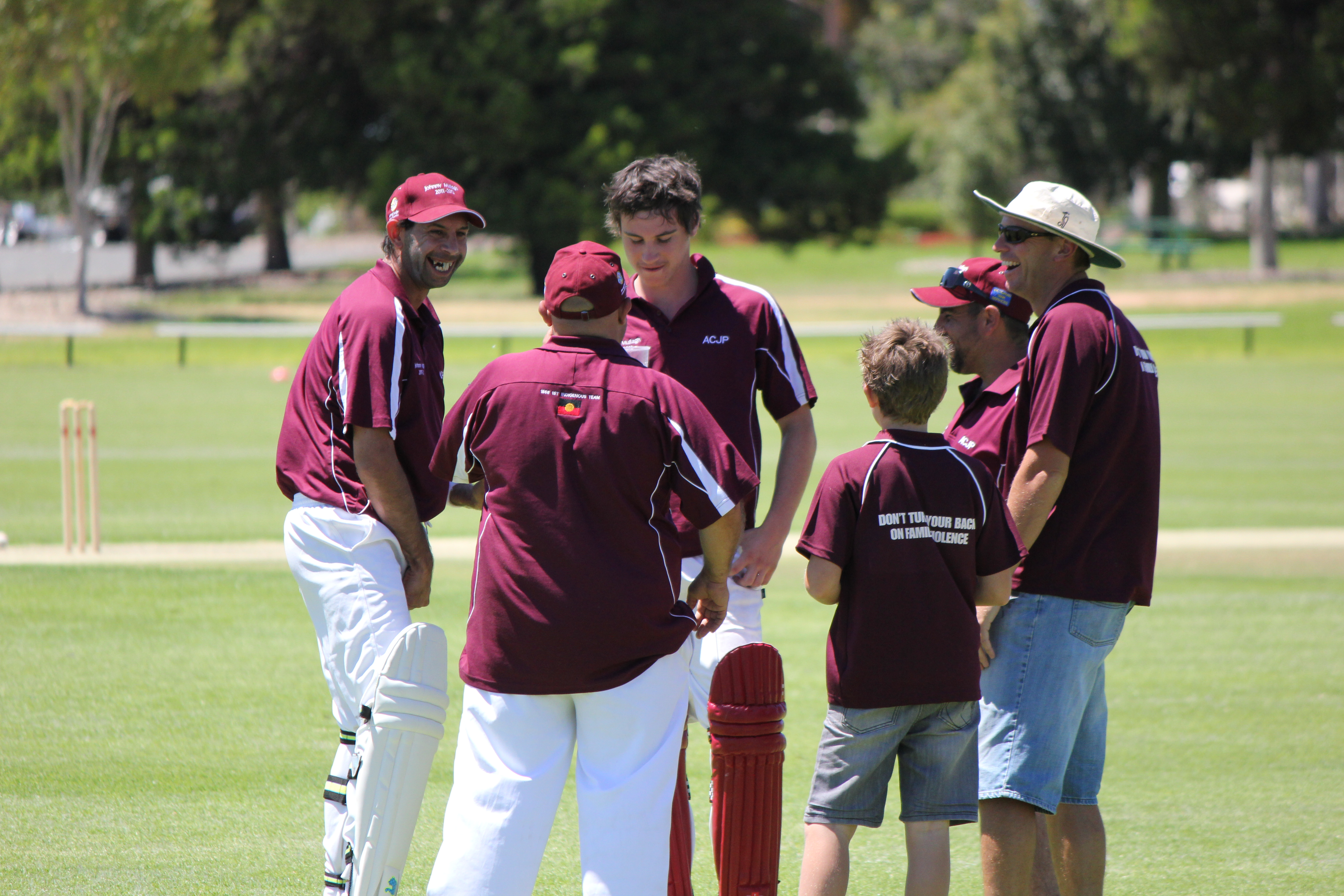
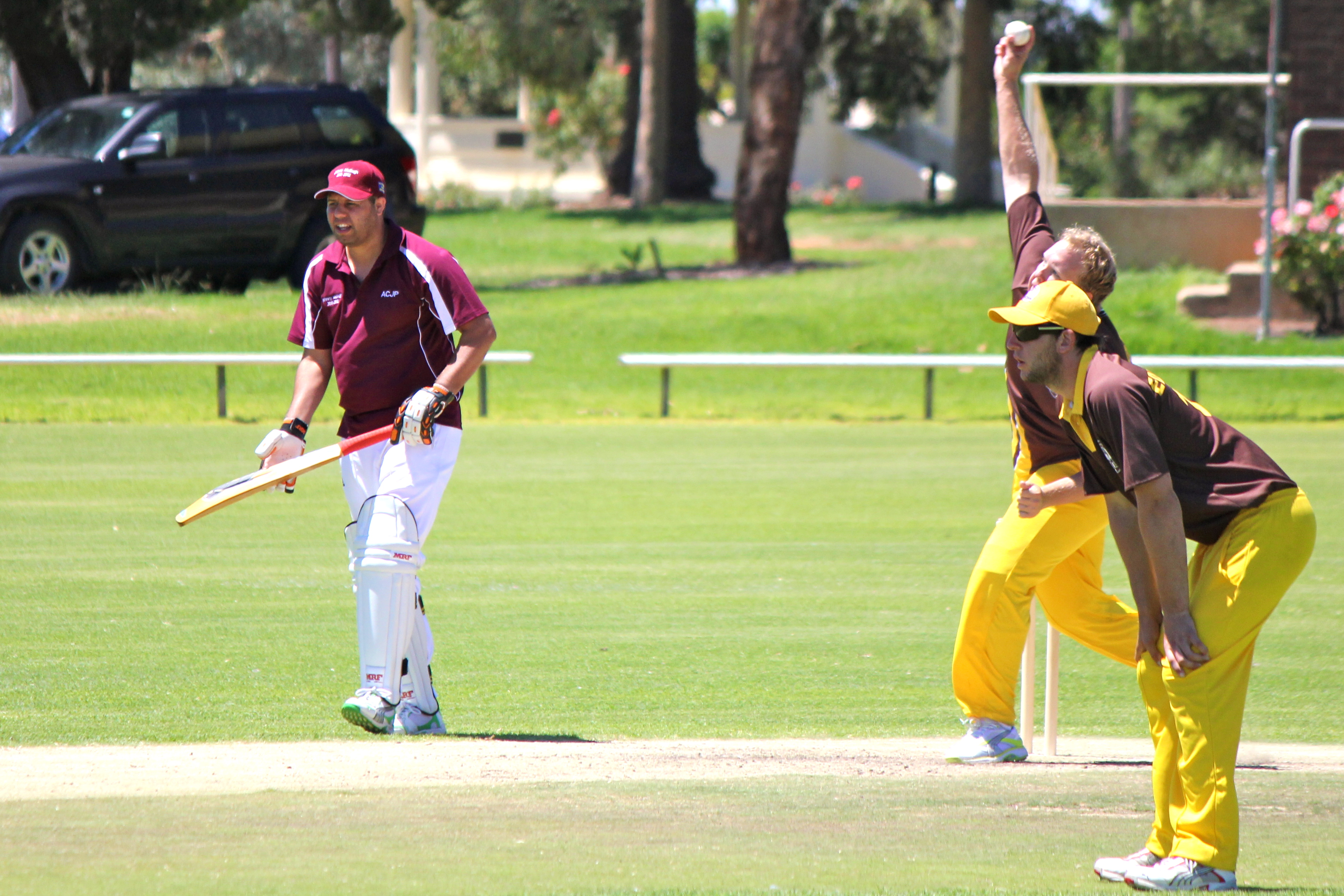
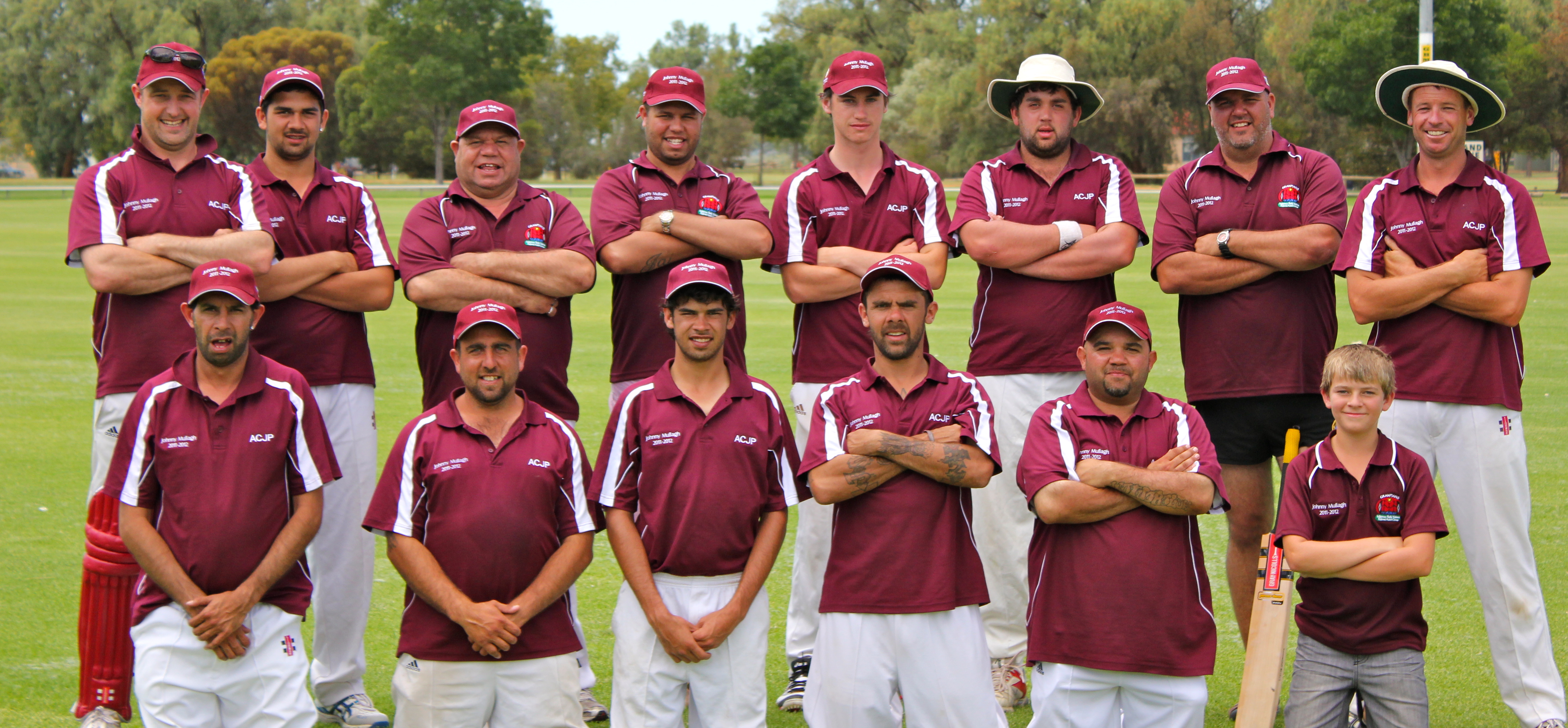
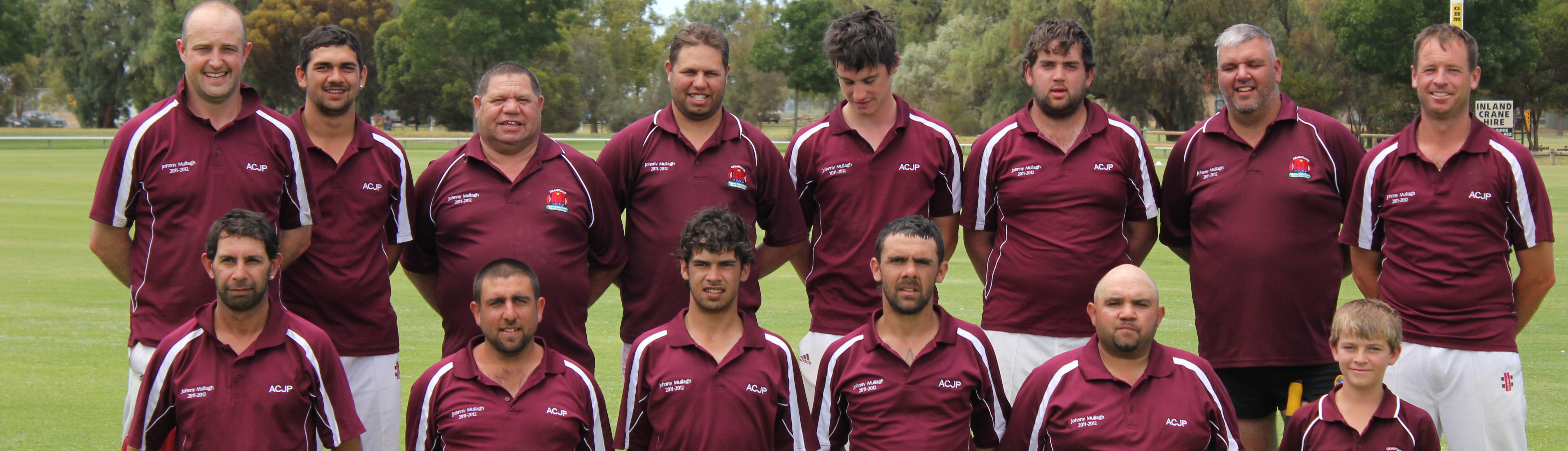
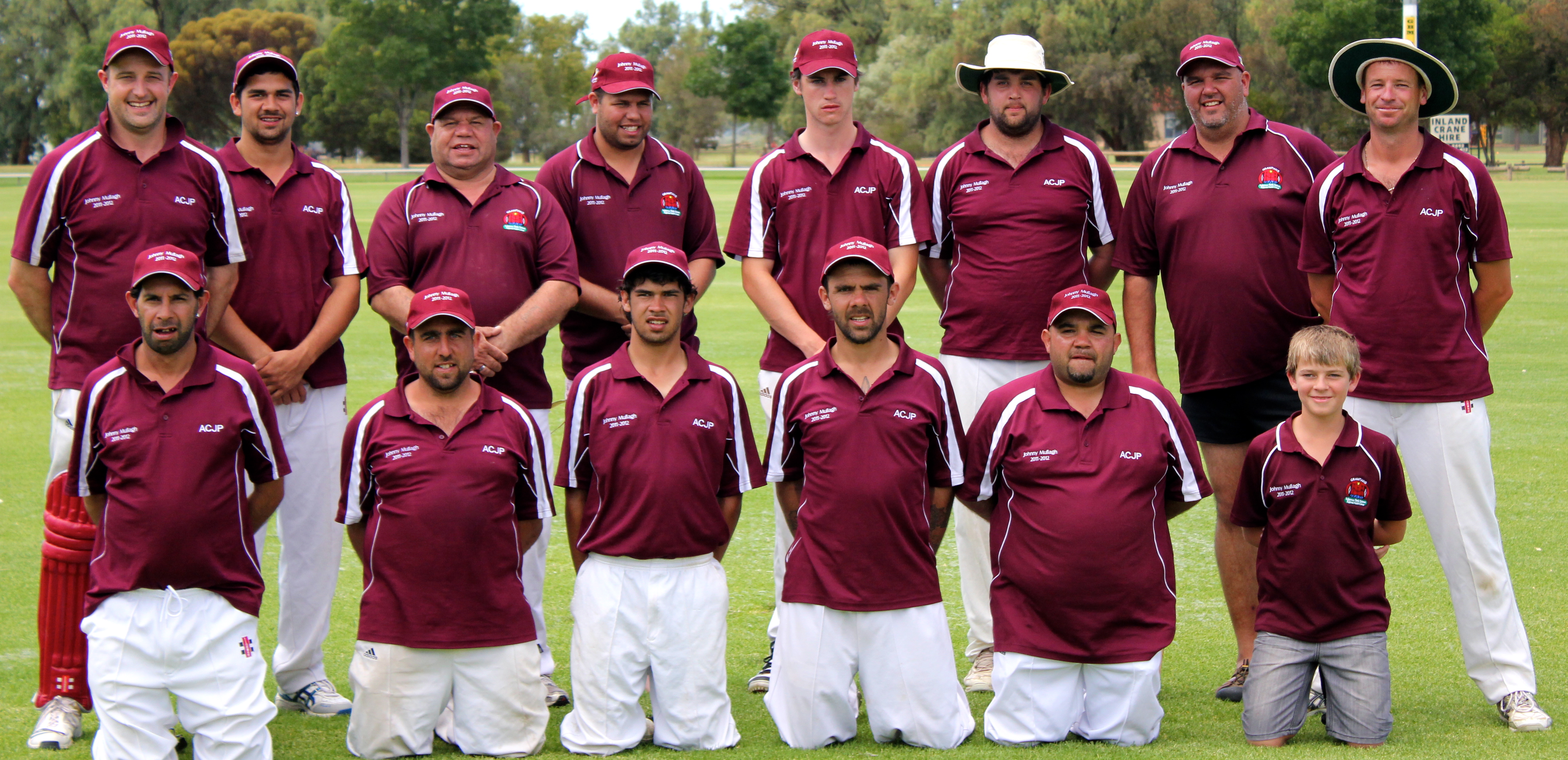
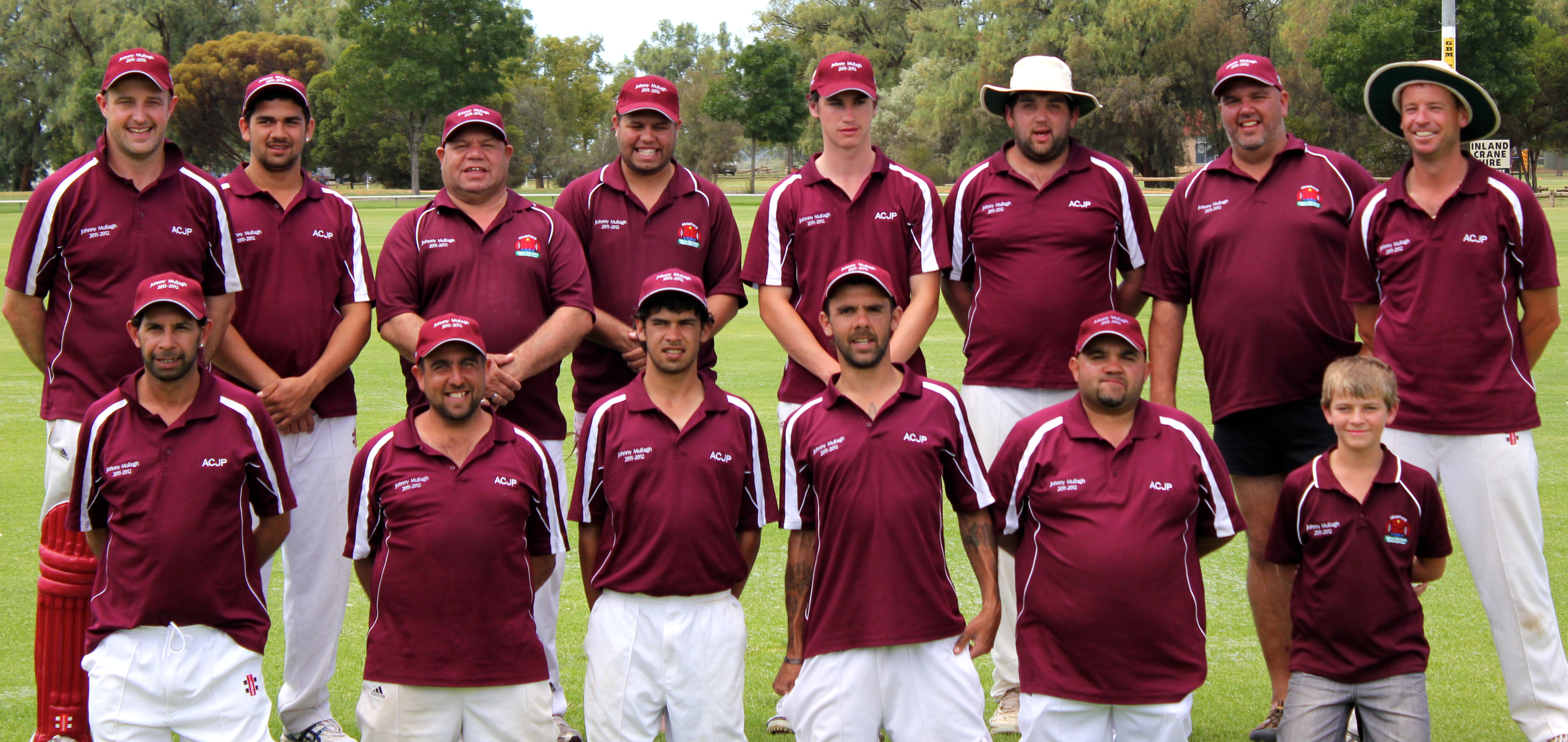
Johnny Mullagh XI at Willowfest 2011
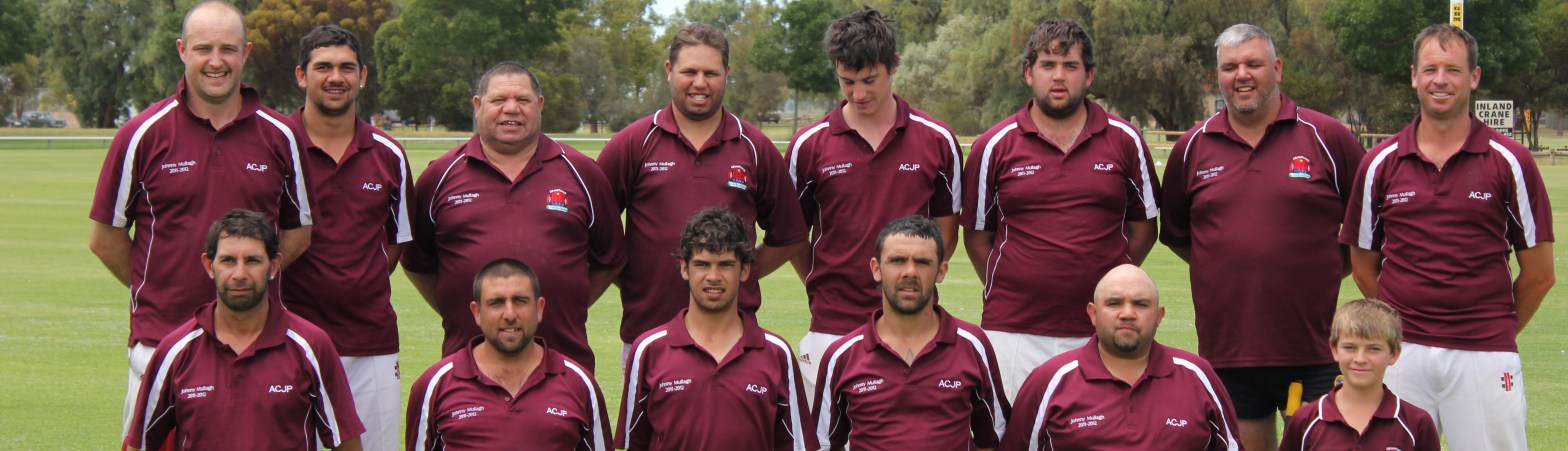
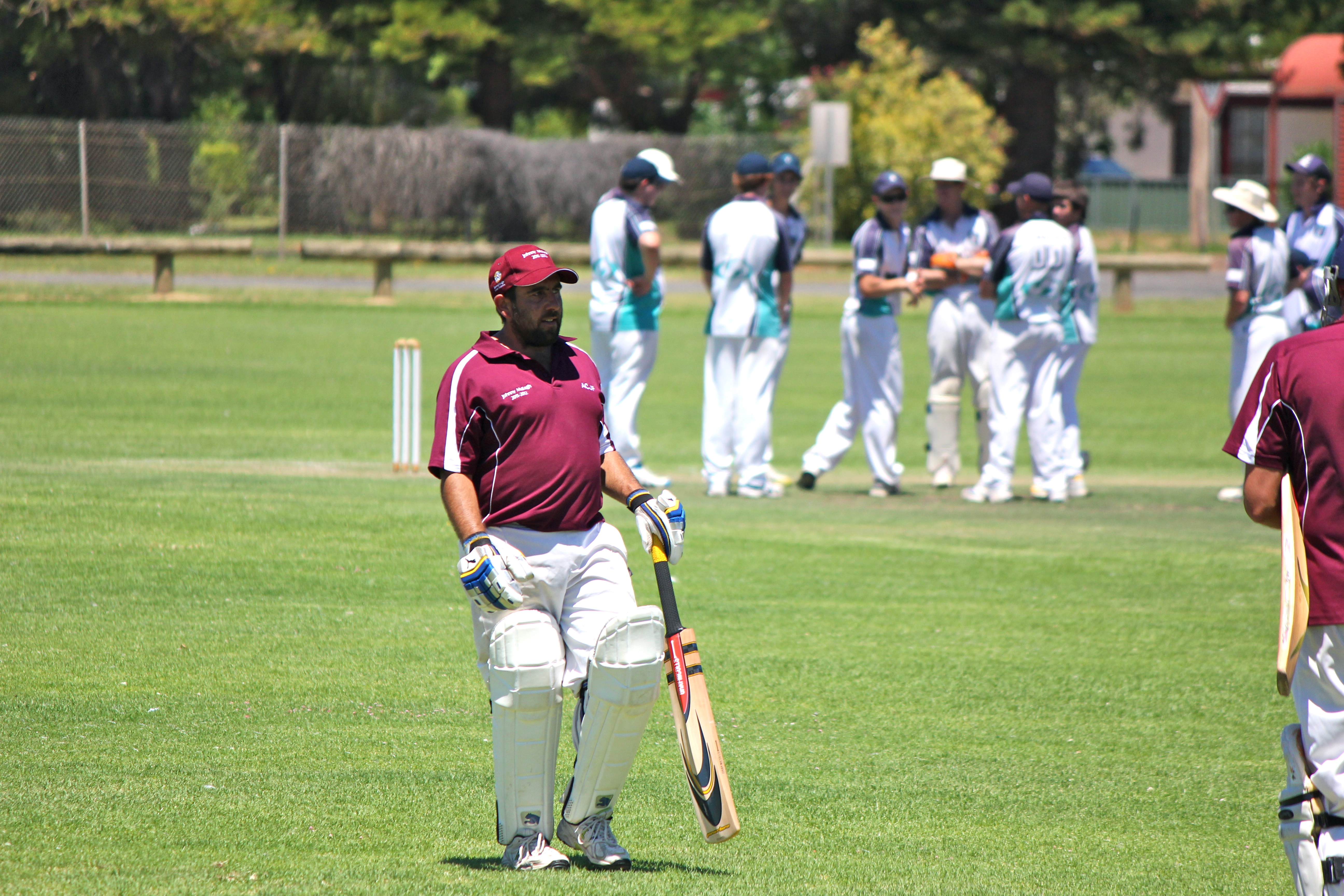
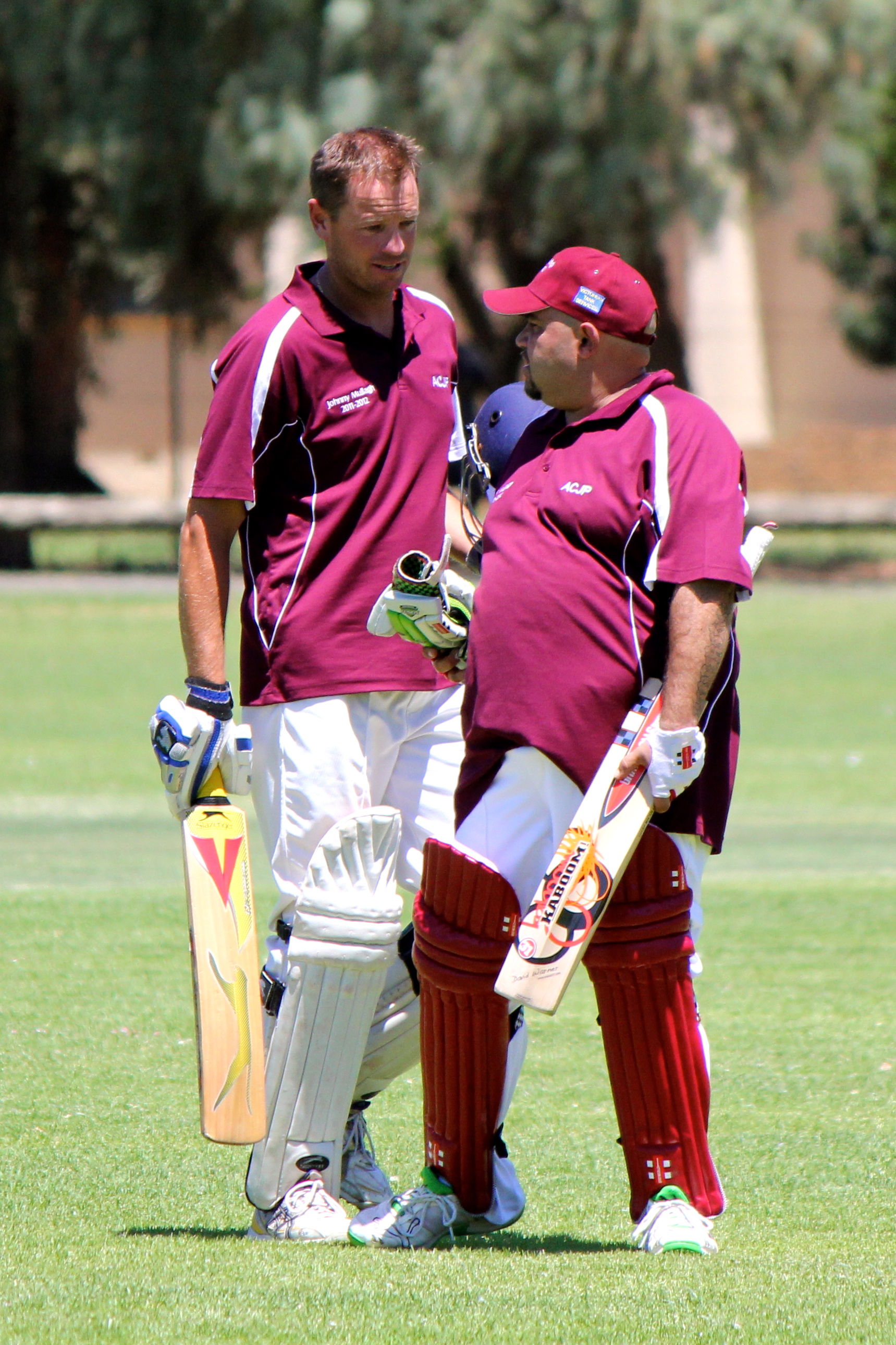
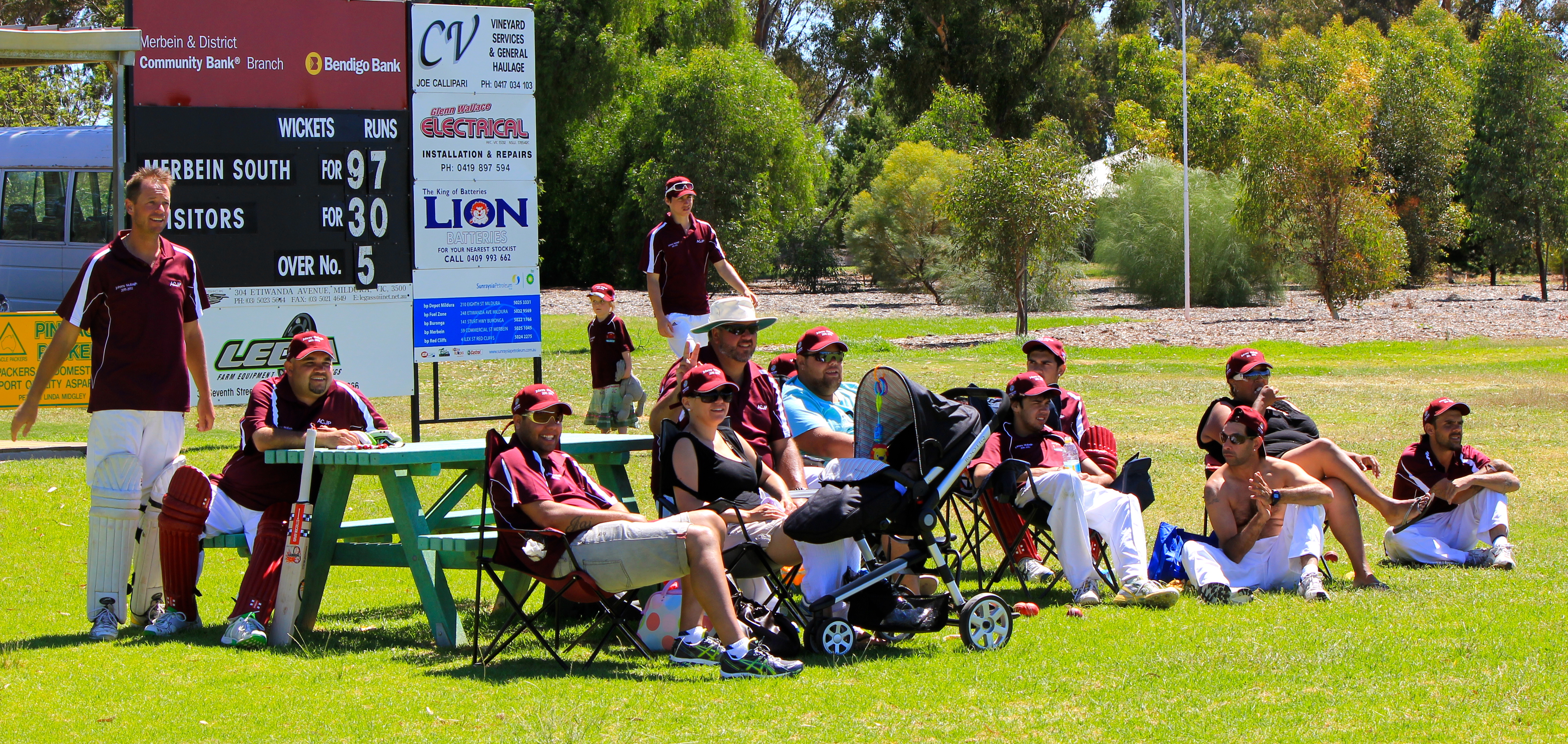
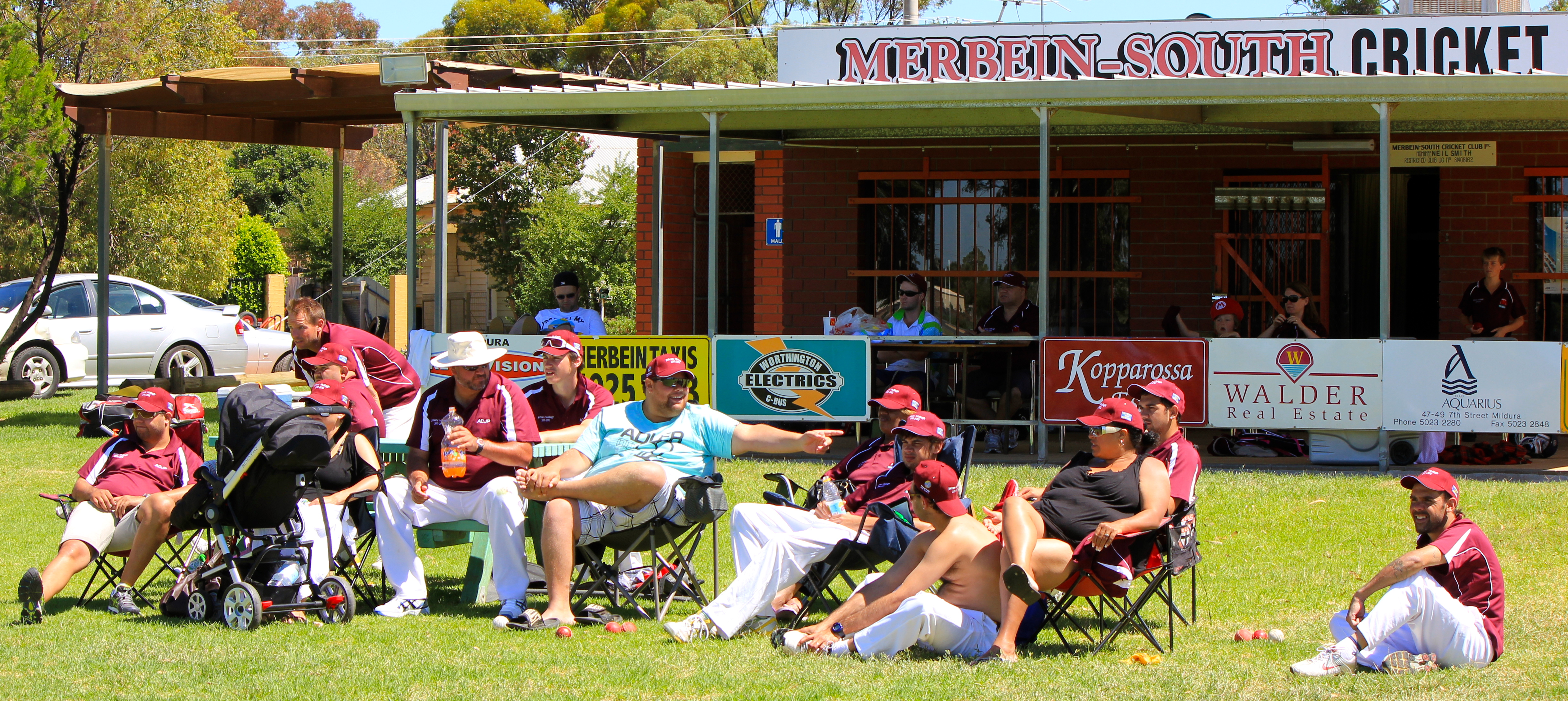
Slide show and Gallery of pics from the Johnny Mullagh Squad at the Willowfest Australian Club Cricket Championships at Mildura 2011.
Another wonderful week of challenging cricket and fun as families came together to again ensure the spirit and story of the 1868 ‘First XI’ remains a ‘living heritage’.
Thanks to Aboriginal Community Justice Panel, Grampians Indigenous Family Violence Regional Action Group, Barengi Gadgin Land Council and Victorian Tank Services for their generous support.













Dragon Juniors at Renegades T20
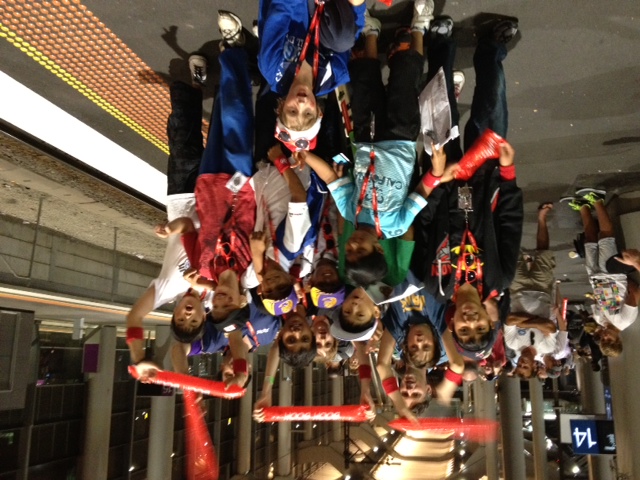
The Dragon Juniors enjoyed their first visit to Etihad Stadium on December 22 for the inaugural Renegades T20 Match as part of their Club Membership Package. The group included two Vietnamese, four Indians, a Filipino, and four Anglo-Aussies many of whom hadn’t been to a cricket match before. Thanks to parents Bill Field, Darren Andrews and our new Good Cricket Allround intern for 2012 Jesse Schram.
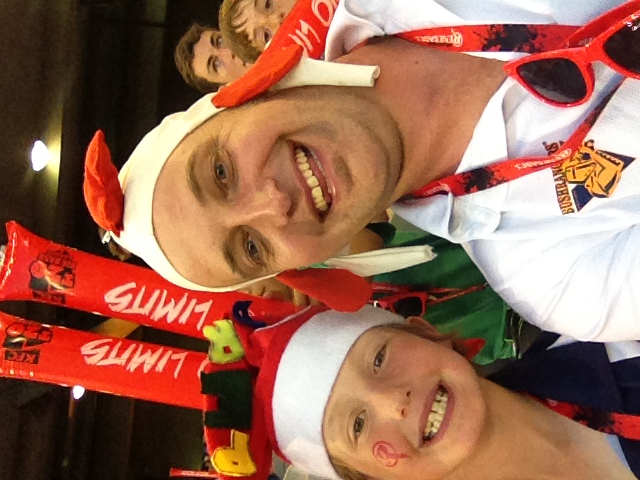
134 Sam!
 Great knock of 134 by Sam Field for Dragon Juniors. Full write up at http://barklystreetcc.org/barklyst/?p=642
 goodcricket.com.au
You must be logged in to post a comment.